The Ultimate Guide to Cannabis Dosing Basics: Effects, Onset Times, and Delivery Methods
The Ultimate Guide to Cannabis Dosing Basics: Effects, Onset Times, and Delivery Methods
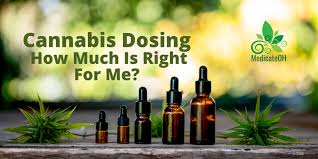
Navigating the world of legal cannabis dosing can be both exciting and overwhelming. With an array of products ranging from artisanal chocolates to potent concentrates, the most common question for beginners is: “How much should I take?”
Understanding cannabis dosing basics is the most critical step in ensuring a therapeutic and enjoyable experience. Whether you are seeking relief from chronic pain, looking to improve your sleep, or simply exploring recreational use, finding your "Goldilocks zone"—that perfect dose that is neither too much nor too little—is essential.
In this comprehensive guide, we will break down the science of cannabis dosing, explore how different consumption methods affect onset times, and provide actionable tips for finding your ideal dose.
Why Cannabis Dosing is Personal: The Endocannabinoid System (ECS)
Before diving into milligram counts, it is important to understand why one person may feel nothing from a 5mg gummy, while another feels significant effects.
Every human has an Endocannabinoid System (ECS), an intricate cell-signaling network that regulates functions like mood, appetite, sleep, and pain. Because every person’s ECS is unique—influenced by genetics, metabolism, body weight, and previous exposure—there is no "one-size-fits-all" dose. This is why professional advice always starts with a single mantra: Start low and go slow.
Understanding Delivery Methods and Onset Times
The way you consume cannabis dictates how quickly you will feel the effects (onset) and how long those effects will last (duration). Here is a breakdown of the most common methods.
1. Inhalation (Smoking and Vaping)
Inhalation is the most traditional method. When you inhale cannabis, the cannabinoids enter the lungs and pass directly into the bloodstream.
- Onset Time: 2 to 10 minutes.
- Peak Effects: 30 minutes to 1 hour.
- Duration: 2 to 4 hours.
- Dosing Tip: Take one small puff and wait at least 15 minutes before taking another. This allows you to feel the peak of the first inhalation before deciding if you need more.
2. Ingestion (Edibles, Beverages, and Capsules)
When you eat or drink cannabis, it must pass through your digestive system and be processed by the liver. In the liver, Delta-9-THC is converted into 11-hydroxy-THC, which is more potent and has a longer-lasting effect.
- Onset Time: 30 minutes to 2 hours (depending on metabolism and stomach contents).
- Peak Effects: 2 to 4 hours.
- Duration: 6 to 12 hours.
- Dosing Tip: Patience is key. Many newcomers make the mistake of "stacking" doses because they don't feel anything after 45 minutes. Wait at least two full hours before consuming more.
3. Sublinguals (Tinctures and Strips)
Sublingual consumption involves placing a liquid or strip under the tongue, where it is absorbed through the mucous membranes.
- Onset Time: 15 to 45 minutes.
- Peak Effects: 90 minutes.
- Duration: 4 to 6 hours.
- Dosing Tip: Hold the tincture under your tongue for at least 30–60 seconds before swallowing to maximize direct absorption into the bloodstream.
4. Topicals (Creams and Balms)
Topicals are applied directly to the skin for localized relief of pain or inflammation.
- Onset Time: Almost immediate to 20 minutes.
- Effects: Localized. Most topicals do not enter the bloodstream, meaning they do not produce a "high."
Cannabis Dosing Basics: A Milligram Guide
When looking at product labels, you will primarily see measurements in milligrams (mg) of THC and CBD. Here is a general guideline for THC dosing for those using ingestibles (like edibles):
Micro-Dose (1mg – 2.5mg THC)
- Experience: Minimal to no psychoactive "high."
- Best For: First-time users, stress relief, focus, and micro-dosing for productivity.
Low Dose (2.5mg – 5mg THC)
- Experience: Mild euphoria, physical relaxation, and potential impairment of coordination.
- Best For: Socializing, standard symptom relief, and winding down in the evening.
Moderate Dose (5mg – 15mg THC)
- Experience: Stronger euphoria, altered perception of time and space, and significant physical relaxation.
- Best For: Experienced consumers or those with specific therapeutic needs like insomnia or moderate pain.
High Dose (20mg – 50mg+ THC)
- Experience: Intense psychoactive effects. May cause "couch-lock" or, in some cases, anxiety and rapid heart rate if the user is unprepared.
- Best For: High-tolerance users or medical patients with severe conditions.
The Role of CBD in Dosing
While THC is the primary psychoactive component, CBD (Cannabidiol) plays a massive role in the overall effect. CBD is non-intoxicating and is known to "buffer" the effects of THC.
- 1:1 Ratio (Equal parts CBD and THC): Often considered the "Holy Grail" for therapeutic use. The CBD helps mitigate the potential anxiety or paranoia caused by THC while providing balanced relief.
- High CBD (e.g., 10:1 or 20:1): Ideal for those who want the medicinal benefits of cannabis without the "high."
Key Factors That Influence Your Dose
Even if you follow the milligram guide perfectly, several external factors can change your experience:
- Tolerance: Individuals who use cannabis daily will require higher doses than occasional users.
- Dietary Fat: THC is fat-soluble. Consuming an edible with a small amount of healthy fat (like peanut butter or avocado) can increase absorption.
- Empty vs. Full Stomach: Taking an edible on an empty stomach may lead to a faster but more intense onset.
- Environment ("Set and Setting"): Being in a comfortable, safe environment can drastically reduce the chances of a negative experience, regardless of the dose.
What to Do If You Take Too Much
Even seasoned professionals occasionally over-serve themselves. If you have "greened out" or feel overwhelmed, remember: It will pass.
- Hydrate: Drink plenty of water (avoid caffeine and alcohol).
- Breathe: Practice deep, rhythmic breathing to calm your nervous system.
- CBD to the Rescue: Interestingly, taking a high dose of CBD-only oil can help counteract the intensity of a THC high.
- Black Pepper: Chewing on or sniffing black peppercorns contains the terpene caryophyllene, which is scientifically shown to help ground the effects of THC.
Summary Checklist for Beginners
To ensure your journey into cannabis is a success, keep this checklist handy:
- Check the Label: Look for the total mg of THC per serving, not just the whole package.
- Start Small: Start with 2.5mg if you are a beginner.
- Wait: Give edibles at least 2 hours before taking more.
- Track Your Progress: Keep a "dosing journal" to note which products, doses, and methods worked best for you.
- Consult a Pro: Speak with a knowledgeable budtender or a medical professional specializing in cannabis.
Frequently Asked Questions (FAQ)
How long do the effects of cannabis last?
It depends on the method. Smoking lasts 2-4 hours, while edibles can last anywhere from 6 to 12 hours depending on your metabolism.
Why didn't I feel anything the first time I smoked?
This is common! Some people’s ECS receptors need a "priming" period. Sometimes it takes two or three separate sessions for the body to learn how to process the cannabinoids.
Does body weight affect cannabis dosing?
While body weight plays a role, it is less significant than your metabolic rate and the density of cannabinoid receptors in your brain. A smaller person can sometimes have a higher tolerance than a larger person.
Conclusion
Mastering cannabis dosing basics is a journey of self-discovery. By understanding the relationship between delivery methods, onset times, and your own body’s chemistry, you can unlock the full potential of this versatile plant.
Remember, cannabis is a tool for wellness and enjoyment. Respect the plant, respect your limits, and always prioritize quality products from reputable sources. Happy exploring!


Comments
Post a Comment