A Guide to online Pharmacy Labels vs. Street Fakes.
A Guide to online Pharmacy Labels vs. Street Fakes.
In an era where counterfeit drugs and online pharmacy fraud are on the rise, ensuring the authenticity of your medication is no longer optional—it’s a necessity. From drug safety to prescription verification, understanding how to distinguish legitimate pharmaceutical products from street fakes is critical for protecting your health. This guide will walk you through the key differences between genuine pharmacy-labeled medications and counterfeit pharmaceuticals, plus provide actionable steps to verify medication authenticity and avoid drug fraud.
Why Medication Verification Matters online pharmacy
According to the World Health Organization (WHO), 1 in 10 medical products in low- and middle-income countries is substandard or falsified, and the problem is growing globally. Fake drugs can cause severe harm, ranging from ineffective treatment to life-threatening reactions. Medication errors due to counterfeit pills are a leading cause of preventable adverse health events.
The solution lies in understanding pharmacy labels and leveraging tools provided by regulatory bodies like the U.S. Food and Drug Administration (FDA). Let’s break down how to identify authentic medication and avoid becoming a victim of drug fraud.
Part 1: What to Look for in a Legitimate Pharmacy Label
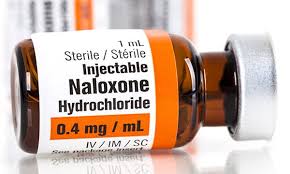
Pharmacy labels are designed to ensure prescription drugs are dispensed correctly and safely. Here’s what to check:
- Pharmacy Information
- A valid label includes the name and contact details of the authorized pharmacy. Verify that the pharmacy is licensed by checking state licensing boards or using the FDA’s List of Verified Online Pharmacies.
- Prescription Details
- The label should clearly state the patient’s name, the prescriber’s name, the drug’s name (both brand and generic if applicable), dosage, and instructions for use. Missing or partial information is a red flag.
- NDC (National Drug Code)
- Every FDA-approved prescription drug in the U.S. has a unique 10-digit NDC, typically formatted as three segments (e.g., 00000-0000-000). This code can be verified on the FDA’s Drug NDC Directory.
- Expiration Date
- Authentic medications always have an expiration date (e.g., “Exp 12/2025”). Expired drugs lose potency and may become harmful.
- Manufacturer and Lot Number
- Legitimate labels include the manufacturer’s name and a lot number, which is critical for recalls or quality checks.
- Tamper-Evident Packaging
- Seals, blister packs, or holographic labels (e.g., those with serial numbers or unique identifiers) help confirm the medication hasn’t been altered.
- Medication Guide or Patient Information
- For certain high-risk drugs (e.g., opioids, anticoagulants), the FDA requires a printed Medication Guide to explain proper use, side effects, and interactions.
Pro Tip: If you receive a medication in plain packaging without a label or any of the above details, do not use it—contact your pharmacist immediately.
Part 2: Spotting Street Fakes and Counterfeit Drugs
Street fakes are often indistinguishable from real drugs at first glance, but subtle clues can help you identify them:
- Inconsistent Appearance
- Counterfeit pills may have slight variations in color, shape, or texture compared to the FDA-approved product. Use pill identification tools (see below) to cross-check.
- Lack of Labeling or Instructions
- Street fakes are rarely labeled, while legitimate pharmaceuticals always include warnings, dosage instructions, and a list of ingredients.
- Vague or No Sourcing
- If your medication came from an unverified seller (e.g., a random street vendor or a suspicious online store), it’s likely a counterfeit drug.
- Prices That Seem Too Good to Be True
- Online pharmacy safety experts warn that prices significantly lower than average (e.g., 50–70% cheaper) often indicate drug fraud.
- Unrealistic Claims
- Over-the-counter (OTC) medications that promise “miraculous” results or “instant cures” are red flags. The FDA approves medications based on rigorous clinical trials, not marketing hype.
- No Lot Number or Expiration Date
- Genuine medications always have an expiration date and lot number. The absence of these elements could mean the product is outdated or counterfeit.
- Unusual Packaging
- Street fakes may use generic blister packs or bottles without seals or official branding. Legitimate pharmacy labels use tamper-evident packaging.
Part 3: How to Verify Medication Authenticity
- Check the NDC with the FDA Database
- Input the NDC (e.g., 00000-0000-000) into the FDA’s NDC Directory to confirm it’s registered.
- Use Pill Identification Tools
- Apps like FDA’s Pill Identifier or iPill allow you to upload a photo of your pill or enter its color, shape, and imprint to verify its authenticity.
- Inspect Online Pharmacies
- The FDA’s Verify Your Online Drugstore tool checks if a pharmacy is licensed. Legitimate online pharmacies require a prescription verification and will not sell prescription drugs without one.
- Contact the Manufacturer
- Call the phone number listed on the medication’s packaging or the FDA’s Drug Information Contact List to confirm the product’s authenticity.
- Consult Your Pharmacist
- Your pharmacist can verify the medication guide, check the NDC, and confirm the drug was dispensed from an authorized pharmacy.
- Use Pharmacy Apps
- Apps like RxGuard or GoodRx provide medication verification features and compare drug prices to detect potential drug fraud.
FAQs: Your Questions on Medication Verification Answered
- How do I verify a drug’s NDC (National Drug Code)?
- Visit the FDA’s Drug NDC Directory and input the 10-digit code to confirm it’s valid.
- What should I do if my medication looks different from what I’ve taken before?
- Contact your pharmacist immediately. Slight changes in appearance (e.g., color, shape) are common, but sudden, drastic differences may indicate a problem.
- How can I tell if an online pharmacy is legitimate?
- Check the FDA’s Verify Your Online Drugstore tool. Legitimate pharmacies require a valid prescription verification and dispense FDA-approved prescription drugs.
- What are the signs of a counterfeit medication at home?
- Look for missing pharmacy labels, vague instructions, no expiration date, unusual packaging, or pills that differ from known samples.
- How does the FDA ensure drug safety?
- The FDA regulates prescription drugs through rigorous testing, post-market surveillance, and recalls of unsafe or counterfeit products.
- What information should be included on a pharmacy label?
- A valid label should include the patient’s name, prescriber’s name, drug name, dosage instructions, NDC, expiration date, lot number, and medication guide (if required).
- Can price alone indicate a fake drug?
- While low prices may suggest drug fraud, always verify authenticity through the NDC, label, and pharmacy credentials. Never purchase medication without a prescription verification.
- How do I report a suspected counterfeit drug?
- Contact the FDA’s MedWatch program or state health authorities. Reporting helps prevent others from being harmed.
- What’s the difference between a generic and a counterfeit drug?
- Generic drugs are FDA-approved, contain the same active ingredients as their branded counterparts, and are labeled correctly. Counterfeit drugs may lack active ingredients, contain harmful substances, or have no proper pharmacy labels.
- How can I identify a pill without a label?
- Use the FDA’s Pill Identifier or third-party tools like iPill to match the pill’s color, shape, and imprint to verified data.
Conclusion: Prioritize Drug Safety and Stay Vigilant
In a world where online pharmacy safety and medication errors are growing concerns, the responsibility to verify authentic medication lies with patients and healthcare providers alike. By understanding pharmacy labels, leveraging FDA resources, and recognizing the telltale signs of drug fraud, you can protect yourself and your loved ones from the dangers of counterfeit drugs.
Remember: When it comes to your health, medication authenticity is not a risk you can afford to ignore. Stay informed, ask questions, and never hesitate to seek professional advice.
Resources for Further Reading
- FDA’s MedWatch: The FDA Safety Information and Adverse Event Reporting Program
- WHO’s Global Surveillance and Monitoring System (GSMS)
- Verify Your Online Drugstore
By taking these steps, you empower yourself to navigate the complex world of prescription drugs with confidence and ensure your health remains in safe hands.


Comments
Post a Comment